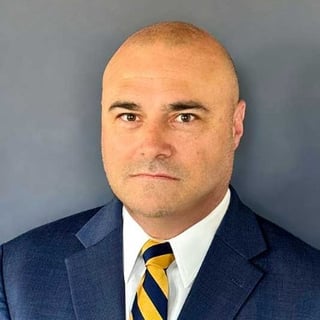
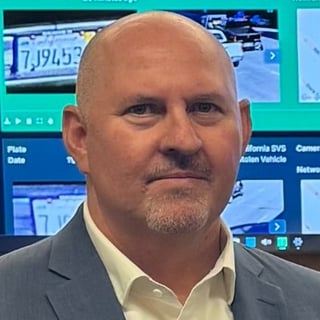
Phil. Pleasure. Pleasure to to be here today, and thanks for joining us here. Yeah. So we're here in San Francisco at the Real Time Investigation Center.
Like you mentioned, it's the newest and latest and greatest part of the San Francisco Police Department.
As far as, like, the the path that brought us here specific to my career, you know, obviously, everybody comes into the department, works patrol, and and graduates through different aspects of of the department, I really gravitated toward the investigative side and more specifically toward utilizing technology in investigations. I worked in a group called technical services unit where we utilized and leveraged a lot of technology to solve crime, prevent crime, and and track wanted criminals. But it wasn't it was relatively compartmentalized.
And so when we built up this concept of the real time investigation center, it's really scaling up of of that version, really putting it department wide and obviously coming on board with all the public safety technology that's been emerging over the last few years, automated license plate readers, drone technology, and, different cameras that we are able to utilize.
It's been great. The results have been great. And, I think our police officers getting these tools has really been helpful for, the police that really are working the streets.
Yeah. And a big shout out to to, obviously, the San Francisco Police Department patrol unit investigations, all the teams and police officers, professional staff, obviously, that help this well oiled machine run throughout the city is remarkable. What we'll do is is for everybody in the audience is we will host this, obviously, fantastic q and a here with commander Maguire, but then also run through a couple slides to distribute and show how Skydio really is a family of robots and making your lives a little bit easier and better. And then if you wouldn't mind just putting your live questions into the chat, and what we'll do at the very end, if you don't mind, commander, is kinda pull the questions out from the q and a and then discuss those as well. We'll wrap up somewhere between fifty and sixty minutes, hopefully, and then makes the the run of show a little bit easier for everybody to do that. So with that, let's get really quickly into our slide deck.
And the the topic, I think everybody saw this when they signed up for the fireside chat here, is how DFR really is driving San Francisco's drop in auto theft and larceny, which seems to be plaguing the entire country, as well as the world and relates to crime.
And so, obviously, who we talked about today is myself and commander Tom Maguire, both, law enforcement professionals. And now, obviously, I'm in the private industry, and he's now still continuing the great work of law enforcement. We are trusted over by over a thousand entities and public safety agencies in all fifty states here in the United States, even in Alaska and everywhere else you can imagine here. And what I like to share is this little quote from our good buddy, sergeant, Loperfido from Miami Beach Police Department. He talks about when common or when someone is in distress and or needs assistance, our drones are the first responders. And that's really kind of the driven message that we utilize constantly is that we're not just a drone company. We're a company that provides a first response for you all to utilize us to see every single day.
Drone as First Responder really started out, at at least in my experiences, about twelve years ago when we first started using, other drones to fly and patrol. We were literally whether they were legal or not was a different story back then because we didn't have all the rules of FAA, but we were throwing up these drones really to just kinda see what they would do and be able to provide an Overwatch for other instances, things like SWAT, stuff like that. What's really that's kind of expanded into a remarkable world of using these drone as first responders to now where they're actually being dispatched autonomously with obstacle avoidance from our docks and then respond to calls for service to make your lives a little bit more safer and convenient.
That being said, this is kind of a overview picture of what our systems look like. Those, little white boxes on top of the buildings, those are docks for those of you who aren't familiar with what drones first responder is, and then the drones are obviously flying around autonomously. Now you see some folks on the ground also flying. You could fly them manually, which police officers and or professional staff can do.
But what we like to promote is really clearly the real time information center kind of remotely flying these drones, is what San Francisco wants to do.
I think we it it would be a misstatement by saying that our only product is the x ten because it's not. We actually have a family of flying robots. We have the x ten that comes out of the dock. We also just released our r ten, which is our indoor drone.
So that's being kind of flown around the United States to to show up a little bit, but we're not in full release or general availability yet, but that will be forthcoming, hopefully, within the next six months. And then we have the most interesting piece of technology that I think coming about in the next twelve months, is gonna be the f ten, which is a long range fixed wing drone that flies from a a remote arm out of whatever utility box you wanna use. So that being said, we have a number of different software elements. So, our command systems that help you fly the drones upon obviously with map overlaying and things like that.
So really a a a remarkable family of robots that, if you want more information, can talk about later.
Alright. So San Francisco Police Department. This is my my greatest part about my job is traveling all over, the United States and talking to different individuals. But when I meet all of you, I find more and more different things that are kind of really compelling to me.
I'm from Southern California area, born and raised in Phoenix, and now I'm up in San Francisco, shooting the chat with you and learning more about San Francisco, which is really neat because this is a really cool town. That being said, there's a population of eight hundred twenty seven thousand plus people. You guys have a square a mileage of about forty nine different square miles, and they're very different no matter which way. So you guys go to a huge tourist destination.
No matter if you're here on a Monday or Friday, it seems like there's always the same amount of people walking across the roadways there. Phenomenal food. A huge, obviously, tourist population. It has about one point one different million people each weekday walking in and out of these streets.
It's the fourth largest city in the state of California and also really is probably the hub of the Bay Area. I don't think there's any doubt about that.
There's your guys' patch there. I think it's a pretty cool old school patch. I'm a big old school patch guy. Although I love the, like, shaded black and blue colors lately, I really appreciate the old blue and gold.
That being said, 1849 is the oldest agency on the West Coast. I didn't know that. So that was a pretty interesting bit. 1900 sworn police officers.
You guys are down a little bit, but, hopefully, this helps develop some of that response and build a little bit more morale with flying drones. Handle about one million calls for service, and I know that's a lot of dang calls. So, thank you guys for working as hard as you do. That being said, over the spring and summer of 2024, you guys have really developed your real time information center, investigation center, and drones and the LPR and and software.
You name it really has driven the bones behind it. But, again, we are gonna talk about really the people that help drive these these pieces of equipment and make everything work. That being said, crime is really down. I mean, that is insane, the amount of numbers that we saw when we pulled the data here.
44% reduction of auto theft. That's 2024 to 2025 year to date. Two hundred ten percent better than the national average. I don't even know if that's like, that might be a record.
I don't know. But it's a pretty remarkable number that should be at least exacerbated into, some other forms of media, not just our remarkable Skydio, webinars, but people should be talking about that. Another twenty two percent drop in marketing theft. I mean, that's that's an that's unheard amount of numbers.
And so I just wanna give a big shout out to the San Francisco Police Department for all their hard work that you're doing every day. So that being said, now that I've I've burned through the slides relatively quickly, let's let's kinda talk about San Francisco's real time investigation center. Talk to me how it works and and how it's running and how things are going.
Well, I think it is really important, and you mentioned it here, but the the police officers that are working the street. Right? That's really what this boils down to is they are short staffed. Our patrol divisions, you know, overall, the department is in need short staffed of about five hundred.
We're you know, with the mayor's office and and and the initiatives to rebuild the ranks, we are really rapidly trying to get more police officers on our streets. They're ultimately the ones that are out there every day patrolling, responding to crimes in progress.
They are not replaceable. They are, you know, going everything from domestic violence incidents to horrific traffic accidents and all the different things they do.
And and they're really the ones making the impact. And I think what we're doing here is we're building tools to help them do their jobs better. And I think that's where we're finding a lot of success is bridging that gap between, giving them the tools they need to be, more precision based in the response, getting, investigative information much quicker now than they had in the past, whether that's through an automated license plate reader, through deploying a drone, through, accessing near real time video of from different areas of the city to capture images of suspects that just committed a crime, maybe the vehicle that they utilized to flee the scene. And the real time investigation center, that's that's what we do. We're here as a support unit for patrol.
We're in direct communication with them. We get a live CAD streaming into here, so we'll select the cases that we think we can assist patrol with. Where can we have our greatest impact?
We don't necessarily have like a strict criteria of we have to get involved in every single case that happens throughout the city. But as you know, people that come to the city to commit crime, they'll often commit a series of crimes.
And the quicker we can get ahead of capturing people that are here, whether it's retail theft, robbery, auto burglary, you know, in some cases, very violent crimes, the quicker we can impact people here to commit crimes and and make that arrest, feed that information out to our patrol officers that are working. I think that's where we're getting really this very significant impact in crime reduction here.
Yeah. It's it's, I think, a good amount of teamwork no matter how you set it up for the city. Right?
It's it's all teams. It's all teamwork. In fact, you know, it's all about the people. It's all about whether we're here, we have to have the right people here.
It's really a team of teams concept. Yep. And we're not just talking about San Francisco Police Department. We're talking about working with our partnering agencies, whether it's Oakland, whether it's California Highway Patrol, our neighboring agencies to our south, Daly City, San Mateo.
We're really building up, really what's a more regional approach because just like any place, whether you're in Chicago area, whether you're in Southern California, you are being impacted by people that traverse various different agencies. And if we're not coordinated and we're not building that team of teams concept, we're really selling ourselves short. And so that's a a huge part of what we're doing here.
And one of the things that we talked about before we went on the camera was also your relationship, relationship, not just with the outside agencies, but also your other facilitators, things like the DA's office and the way that you process cases and evidence and and things of that nature. So Yeah. A big big Yeah. Congratulations to the entire city. And do you wanna mention something about your DA?
Or Yeah.
You know, recently, we had a change in DA. It's Brooke Jenkins has been a great partner, great great law enforcement partner.
We're really trying to coordinate our efforts to be smart about the way we present our cases, presenting the best cases we can with the best evidence we can to really help the district attorney do their job to to hold people accountable and and prevent really widespread crime from taking over the area.
And I think to to kinda dovetail that conversation, for those of you that are listening out there, if you could, and or if the DA is listening, if you could invite them to come see your time investigation center or even come on a ride along just to see what the drones, first responder, are doing or your tech stack regardless, I think would be insurmountable in the time that it would save. And then also the thought logic behind of, oh, we can actually do this for investigations and and then the processes that handle behind the just arrest, but throughout the court case and evidentiary proceedings. Do you agree on that?
I Yeah. Totally agree. I think that the more that we all communicate and talk and share ideas and concepts, whether it's a local law enforcement agency, a state agency, district attorney, the different things that are being done, clearly, you know, we didn't come up with all these concepts ourselves.
Clearly, we've traveled places like Beverly Hills, which was our first stop, in the on our adventure to create a real time investigation center, meeting people, like, lieutenant Gene Cam and chief Mark Steinbrook down in in Beverly Hills who had had a a good foundation in this Yeah.
Flying drones and and the way they operated, and we built our concepts really through collaboration. And, again, the more you can share information, you know, we've we've had visitors come from as far as, Australia and Japan and Ireland, Europe, and all over the country, really. And and we've done likewise, we've traveled other places. So, public safety technology in the last couple years has it's it's no secret. It's it's really, developing quickly and rapidly, and I think agencies all across all across the world, are are quickly building up their capabilities.
Yeah. This has become, unequivocally in the past twenty five years since a product known as Taser, I would tell you, probably the most expanded, most rapidly deploying, most rapid conversation piece of tech that's hit my mind undoubtedly throughout it. So that kind of in mind leads to the next question of really kind of how San Francisco police department adopts, Dronex first responder, adopts ALPR software, adopts a number of different things. But really, like, I guess my question is, you guys are a big city with a big budget and a number of different items that you guys could purchase throughout the day and a little bit of a a different world in some aspects of, say, some rural city in in Northern California.
Like, talk through for the audience here, if you wouldn't mind, kinda how that translates to a mid city or small city agency to develop this product and this idea of this huge concept of a real time investigation subject if you wouldn't mind extracting Yeah.
You you know, I think that, you know, there's a lot to to building something like this. But I would say this, that from the origin of the concept, we were operating in a a very small corner office. You know, as we built up, we got some screens built up, some computers, some radios.
And it was the people with the with the knowledge and ability to to scale things up, identify the things that we can use, how can we coordinate that all into under one roof at a real time investigation center.
And so not everybody has huge budgets for this. Right? But I think that operating with some pretty basic technology, and then building it up. I mean, from the first automated license plate reader that we put on, I think we identified our first stolen car in the first hour.
Yeah. And we really realized how quickly we can when we scaled up Yeah. Full scale, how effective we could be. When we flew our first drone flight, sergeant Eric Batchelder flew the first drone flight in San Francisco in May of, twenty twenty four.
Nice.
Turned out to be a a dangerous domestic violence.
Wanted suspect. He took off.
He, started got out of the vehicle, started jumping over residential area and through a bunch of backyards and fences. And we realized very quickly how this technology working together, was was gonna really scale up and be very effective because something that could have impacted a large community where people are jumping into residential areas, you lock down whole city blocks, you impact a lot of residents. Where you're looking for that person is a lot more difficult when you didn't have that eye in the sky identifying the cubby that that person had run into. The person was taken into custody within about five minutes.
And we realized when we start doing this all day every day, how how effective are we gonna be?
Yeah. I I think what's cool is is when I was a younger cop and even as before I retired, I would still get excited at the amount of crime that would come in. You know? And now the ability to have this tech to show you that crime's happening when it's like you would used to be getting the reports the next morning, And you're like, how did I miss this?
And now you have the crime being able to be, you know, true driver into your initial response to seeing things happens. Really gets me excited for the younger staff who are really involved in technology to be like, now we have even more tech. I'm getting more stolen vehicles, which is obviously a little bit more exciting for us cops because we like getting involved into, like, those serious crimes and then they should talk about that and the morale. Maybe that helps build these younger generations.
There's there's no doubt that the capabilities that our police officers now have on the street, are undoubtedly increasing morale and and making the job more rewarding.
As you know, when you're new in patrol, oftentimes your day is spent going from crime scene to crime scene or, you know, people who are victims of an auto burglary and victims of a, burglary or a robbery, maybe a violent crime, a shooting.
And frustration for a patrol officer is that oftentimes they're stuck just taking a police report. They send it down to the investigations bureau and they move on with their day and they don't really know what was there any impact from the report they took or where did it go? You know, it's a, it is a relatively big city and, they got to move on from crime scene to crime scene. And what we're realizing now is that there's just more tools available for an officer to not just have to respond, take a police report, but they're responding and actually identifying cars, identifying images of people that have committed the crime, getting those images out, getting a drone up in the air, searching an area that would be very difficult to search with just a ground level police car and a you've driven the streets of San Francisco recently, get very busy and congested out there.
Yeah.
When you've got a a drone technology that could deploy and start looking for somebody or a vehicle, you know, you're you're advancing by leaps huge leaps.
Speaking of of, larger, more felonious crimes, let's if we can transition to, we call it the Burberry video, but it's an organized retail theft video that, the, San Francisco Police Department handled on a robbery from an outlet store. You mind walking us through this a little bit?
Yeah. So this, Union Square area, high end shopping, Burberry sells very expensive, purses and bags. Again, this does go back to, you know, our our police officers. They're they're in that area.
They saturate the area heavily. And in this case, somebody's actually able to go out, find a police officer very quickly, flag down that police officer. That police officer is able to get on the radio and put out that a crime had just occurred. The RTIC gets that live.
Radio transmission sees the CAD and is able to now pop up a drone to start responding to that area. You are able to access, ground level video from the area near real time. So we go back. We're able to to see the images, what they look like.
So now we pass that to the drone as first responder pilots who are working here under one roof, in coordination.
And as that drone's flying, it's very quickly able to, locate the suspects.
Yeah. And so the officer obviously is is tagging his Axon body worn camera. Skydio drone is above and, looks like is it undercover units that come into this one?
I think it's, or plainclothes units as think the work unit pulls up, but we'll take a look Yeah.
So, obviously the radio transmissions are taking place, the description, the direction they're going. Obviously, this is a lot safer now than police officers that are kind of don't have that tactical advantage to know what they're pulling up to. The drone's able to tell the officers the direction they're walking, what they're wearing, that they're just approaching the corner so that, we really get that tactical advantage as opposed to, the suspects who are out walking.
Yeah. This is a pretty crowded area. You know, the description's gonna be a male or a female, whatever, wearing dark clothing, it looks like, in a backpack. I mean, in the video, just saw probably from the drone footage. There was a lot of people with dark clothing wearing a backpack. But with the capturing of this Overwatch and the and the ability to narrow down the scope of the individual doing it, officers were pretty successful in.
Right? Yeah. It's probably one of the more significant things of of public safety technology that's maybe not talked about enough aside from the fact that aside from the fact that it's really the the police on the ground who are being impactful with making these arrests, the investigators who are are working these cases up tirelessly and and creating good cases for the DA. One thing that operates in the background and we know it, is when you're operating with precision based policing and you're stopping the right people at the right time for the right reason, you're taking away a lot of the issues that have traditionally plagued law enforcement. Because you're right.
Police officers respond based on the information they have and they respond with the tools that are made available to them.
And if your, tools are a police radio and a witness that says, here's what the person looked like that committed this crime, and police are trying to respond to make the keep maintain public safety, Traditionally, people can be stopped and questioned, who may match the description. And we're finding that we're really getting away from a lot of that, because we're utilizing better tools, just smarter tools, tools where we're able to stop the right person.
Whether that's in a vehicle, it's not a vague description of a vehicle such as, you know, maybe a silver pickup truck.
We're actually getting the image of the truck and then we're getting the license plate of the truck and then we're getting the direction that that truck might be traveling. And so rather than potentially pulling over, you know, a few people who are just going to work in a silver pickup truck, you know the one you're after. And so that's a huge, I think, under undervalued discussion point of what's going on.
Well, thanks for bringing that up because one of the conversations that that I have when I'm traveling the country and talking to law enforcement executives and then also having the conversations with them and their city council members and city mayors and managers is the unnecessary use of force. Right? And use of force can be titled and thought of as even just putting hands on somebody and putting handcuffs on them depending on how it's defined. And so in that same topic of conversation, the unnecessary uses of force in our industry really were a point of contention, particularly over the last five years.
That being said, I would say that drones as first responder help us identify quicker would probably decrease, and, again, this is anecdotal, decrease uses of force that are unnecessary. Would you agree with that?
Yeah. I I I think that what we're doing is we're filling a void that had existed for years, which is a tactical advantage. Right? Sure.
Police are at a tactical advantage when you don't know the situation you're going into. And with situational awareness through a drone and you're live streaming that situational awareness to the officers on the ground, undoubtedly, you're gonna, have a much you're gonna have an advantage to be able to approach that situation. We had an incident where somebody was cruising around on a scooter, did a robbery. With the drone, after we spawned them, we were able to to allow that person on the scooter to stop, get off the scooter, sit down, and then we're able to to help coordinate that arrest with the police officers on the street as opposed to them just pulling up on somebody on a scooter.
And these scooters go about forty, forty five miles per hour. Zipping. They're on sidewalks. They're zipping around.
People get tackled off the scooters.
You know, those are the situations that you're probably talking about where a huge advantage with with a a drone in the sky Yeah. That can guide the officers in a a more tactical way.
That's really remarkable. I mean, the results we're seeing day after day from every agency about it. So from a high level, let's talk really quickly about, staffing and and hiring. In your real time investigation center, I asked you in an email the other day about about staffing and really, your staffing model as it relates to how many are sworn and how many are professional staff members. Talk to me about that. Like, how did you guys decide which way you're gonna go and and what route or percentage you're gonna go with either way?
Yeah.
This goes some of this correlates with that other question you just asked about different funding that people have and different staffing issues that the different agencies have. And, how do you approach building something up like this? Well, we started really with just a couple of sergeants and officers that essentially we repurposed from what they were doing and repurposed them into starting up as members of the real time investigation center. It was small.
We operated on a really defined schedule, so we were not twenty four seven at that time when we started. We scaled up to to become a twenty four seven, which we are today, but we didn't get there overnight. Yeah. That was a buildup.
And so, we were able to also repurpose a couple analysts. So they were analysts that were already working in the department Nice. Doing different things, and we were able to bring them over. Really, they've been an incredible support here at the Arctic, with all the day to day activity going on.
And so we brought in analytical support. We started to bring in some more officers. As we started to build up the drone program, we started to get people trained up in their FAA one zero sevens and started to identify people that were interested in this. And and we've just it's it's been a slow burn over two years or actually relatively quickly, but in in the end of twenty twenty four, we went to a twenty four seven model, where we, had to, again, go out, identify some resources, bring them in.
Although we would like more personnel here, obviously, with the staffing issues, there is a lot of demand on the officers here. Often, we do staff on overtime basis.
We did bring back some retired officers who Nice.
Come back and work part time with us, and and that's fantastic. You've got Yeah. This great, this great group of people with all this experience. They've retired. They're able to work, you know, part time during the wait during the week, and they're just a huge asset.
Would you say that there's a direct correlation in the increasing of your Arctic and the decrease in crime both with with no matter which piece of technology Sure.
A lot of it?
Sure. Yeah. I mean, it's, you know, we're once as we as we've, increased the staffing here, increased the the technology that's available to us out there, as that's increasing, crime is decreasing. It's pretty, and like you said, pretty stunning numbers. Yeah.
And so I think what's important for to to go back to the original, thought behind staffing models really is a computer or a PC and a radio is really all you need, particularly with with our DFR software. You know, I think you probably need a little bit more with all the other tech stacks, but you'd have some remarkable results even with just a computer A hundred percent.
And a radio. And I think the the thought behind having an Arctic as magnificent as this one is or as large as this one is, although, would be fantastic if we had the money, the budget, the time, the space. But the reality is a computer and a radio, you get a lot done.
Computer, radio, and the right people.
Know, the right people is really what it boils down to because, the people that we've that have started and started working with this and the and the people that are out working, pushing the patrol cars every day, Those are, it's the people that's making the impact by leveraging the technology. But you're right. It's, not everybody can go out and get, you know, we didn't start with a video wall like you see behind us, which is fantastic to have.
But is it, do you need that to be successful? My answer would be no. You could be very successful with, if you got the right people, some basic technology and, and really working, working as a team. Some hard workers.
Alright. Let's walk through, this one we call the Twin Peaks video. I'm assuming that's a neighborhood here?
Yeah. Twin Peaks is a a popular tourist attraction. There are some these are tourists that that came to the city. This took place, I wanna say, I think it's dated April of twenty twenty five.
Yeah. I think so. April of twenty five it was.
Our officers who are out working surveilling for people that are casing to commit crimes identified this. We were able to help them by flying a drone for them. We were able to record here what what's occurring. And as you could tell, like, just in that area, sometimes you're at a disadvantage to be able to tactically impact crimes like this.
You can send a, you know, marked police car up. A lot of times that results in very dangerous high speed pursuits because we do know from experience that people that come come to the city commit crimes like this, they're not gonna pull over for a marked patrol unit. Right. It just is very rare that they would comply.
In this case, we're able to utilize different, tools and tactics. We're able to get that situational awareness and we're able to, at the right time, take take advantage of, making the arrest here. And as you see here, this is our, citywide plainclothes team. They were able to, identify a a time and and place to move in for the arrest, and it was, very low key and and well done.
If we could replay that video, there's two things I really wanna talk about that are really funny.
Number one is, you see the you see the the suspect get out of the car, and it looks like the passenger door's unlocked. Right? Yeah. And then you see the passenger or suspect in the back seat of the car get out and then window punch it.
Yeah. So he forgot that the front door's unlocked, which gave you a little bit more of a tactical advantage. Right? And then he dove in, so he showed everybody his nice socks, which were white.
Yeah. And then it's kind of really fascinating the amount of time that you guys can be able to utilize these simple mistakes that make our jobs more proficient. Right? Yeah.
So criminals are are pretty dumb sometimes.
They could be.
They help us with our our surveillance techniques. And so I just really love that part of the video. And then thirdly, to kind of dovetail on your conversation about the takedown piece of it, is really, you know, when we have police cars come every single day and they're flying down the street to get to calls for service quickly, we really have a tendency to be in the way of traffic. Right? And so I think by having your police cars that aren't marked units flying through the streets to get to these calls quicker because adrenaline sets in, accidents happen, and you're more prone to cause things when you're in a higher stress mode versus your plainclothes unit, which I'm not taking credit away from the patrol units, are able to use this operation a little bit more effectively and not cause a big scene for the people or the public to get scared. Would you agree on that?
There is. There's there's definitely that's part of the equation.
That's part of the successful from the field operations bureau and what they've built up with these teams that are out working there.
They've been very, very effective.
Yeah. And the other most important effective piece to this is to your residents, make sure you lock your car doors and don't keep your belongings inside the vehicles. Right?
Always. Okay. Always. Yeah.
Good. Gotta give a good crowd. That's true. Shout out there.
Okay. So talk about really quickly, again, the pieces in nice to have for mission critical versus things that, like, you don't really have to have them in the in the grand scheme of things to get things started again, but your operational motivations and your capabilities for it. Should I talk about what you guys are capable of doing?
I and are you talking about for other agencies what we would recommend?
Yeah. Both.
Talking about people that are either fully operational or just starting up? Exactly. I would just, you know, I would say that, yeah, the very first and foremost thing is start with the right people. People that, are want to be doing this, that are motivated to be doing this, that want to have an impact on crime in your in your city or in your area and, really want to help the police officers that are out working every day.
So starting with the people. And then I would say from a technology standpoint, where we scaled up from, we started with automated license plate reader. And automated license plate reader, although we did have it in San Francisco for quite some time, we didn't have it to the degree that we had when we started in in March of twenty twenty four. And I would say that automated license plate reader, because every criminal that is here to commit a crime, really, really any crime, and and oftentimes it's crime in a home.
Right? It's it's it's family violence because oftentimes, the suspect's gonna take off. And how are they gonna leave? They're gonna leave in a vehicle.
And so whether you're committing a robbery, a burglary, domestic violence, sexual assault, gang violence, it's all about tracking oftentimes vehicles. Right? Yeah.
And so having automated license plate readers and then having that next layer to go find that vehicle without having to send a, you know, limited number of police officers that you have available in streets that are, congested often to deploy a drone would be, you know, that next that piece of the equation. And that's the other part of this is when when we started, we actually had our drone as first responder pilots in one location and our Arctic operators in another. And we found that to be, although we were having success, we found problems with it. And the at the moment we merged those two under one roof, we realized we would never go back to to a a separated Separated model. Design model. Yeah. Because, this has been so impactful.
People are sending images to each other. They're talking to each other. They're saying what to look for. The drone operators are asking questions to the Arctic operators.
It's all very, very fluid and and works very well.
Yeah. Pretty structured. Right? Yeah. And I think what would be really cool is is, you know, when I would listen to some of these webinars, I would hear other chiefs and commanders and command staff talk is, would you mind maybe I give your email address to some of these commanders and folks that have the questions about how do we staff it the right way? How did you test for a position of being an arctic operator or whatever you guys do.
So would that something you'd able do?
You know, that's that's part of our model. That's how we've built success here, and and likewise, we give it back.
Got it. So, basically, if you wanted some more information from commander Maguire here, we can get you that information or put his email up later on and and send that to you. So we're gonna kind of blast through the next couple of questions. So we only have about five minutes left really before I wanna get to the last video and get to q and a. With that being said, what were, like, some of the early moments that that Dronex first responder all that kind of stuff delivered the highlighted your momentum Yeah. Decreasing crime?
One of them I already kinda talked about.
It was that domestic violence suspect. It was very early in our buildup here. It was an automated license plate reader hit that gave us the idea of where to go look for this person. It was our, our citywide plainclothes team who were we were really attempting to bolster their success. It was already a very successful unit, but try to supplement their success.
And then, of course, having, having drone technology to now go help assist and and find that vehicle and and give us the awareness. And that was one of our very first moments of this is fantastic. This is gonna be so helpful to our police. I would say later on, one of our more, we we did set up in areas, obviously, where we thought we can get the most success, and those areas were high crime areas, impacted by a lot of auto burglary.
Those were tourist areas in San Francisco, and it's very difficult to impact that. At at the time, for many years, was a it was a big struggle to, to utilize the right tactics tactics to be effective. As we started to set up in that area with drone as first responder and the moment that we felt that we were onto suspects here to commit those crimes and utilizing the drone, and seeing how quickly we were able to apprehend those suspects before they can go on and commit a second, third, or oftentimes a dozen different auto burglaries before they're done for the day. We were able to capture them very quickly. We're able to provide that that tool and that resource to the, officers outwork in the different districts. And, I think that's where you're seeing those those numbers really drop. Right?
Yeah. And I think that that if I don't quote me on this actually, for specific dataset, but I think it was something back in probably five, six years ago when I was studying this stuff was, if you get to a call for service in under five minutes, there's a solvability factor of, like, sixty percent. If you get to a call for service after five minutes, it drops down to, like, forty percent success rate. And I think for San Francisco's purposes and reasoning, you guys are just killing it in your response times. Right? I mean, what's your average response time now with with Drone as First Responder? Do you know?
Yeah. We're I mean, much much quicker. It's coming down. You know, we're able to deploy a drone and really get really to anywhere and within a couple couple minutes or less. Right?
And so that response time's quick.
And I would say that coupled with that is, solvability factor with these public safety technology tools Yeah. Has just exponentially There was a rapper on, I forget which which show it was.
It was talking about the success that San Francisco's having with drones, and that everybody needs to be scared of the drones in San Francisco because they're helping solve a lot of crime, which I thought that was pretty interesting.
Yeah. There's some there's some information out there, some open source podcasts, I believe, that, it's described very, very succinctly of how knows very well of the tools we have and and how we're using them to impact crime.
And Great.
It's a pretty good announcement to the public.
Well, public service announcement from a rapper. Right? Alright. Last video we're gonna watch. This one's remarkable, which I I I am still convinced. I don't know the behind interviews of it, but I'm truly convinced this this case, something really bad was about to happen. And walk us through really quickly the, Acura answer.
Yeah. So this was another automated license plate reader hit of a stolen vehicle, and you see the red arrow point to it. Once that situational awareness comes in that there's a car driving around, we're gonna get that drone up in the air and we're gonna go look for it. Very talented piloting crew here. They have to get that drone up very quickly. They are searching in the area where it was headed and they locate it.
We are now able to start coordinating with our resources on the ground to let them know what's going on, what we're seeing. We're able to stream those images to them so everybody can get on the same page.
And keep in mind, all your resources aren't just always readily available. Right? Yeah. We know that trying to get a traffic stop on a stolen car oftentimes results in, unnecessary high speed chases. And so in this case, we wanted to utilize the technology, let the technology play out as we were gathering resources that we thought could be most most impactful in stopping this crew from committing crimes.
As it plays out, you know, some people ask why why won't you have moved in on him here? Keep in mind, we're we're just trying to do, in our opinion, times on our side. Yeah. We're we're being safe. We're being methodical.
We're being precise.
And, we're also doing other things right now. We have real time investigators that are running up anything to do with this vehicle. We're calling, the registered owner of the vehicle to make sure it's not them driving around and it just gets taken out of the system. We're making sure and really, dotting the i's and crossing the t's as we're doing all this coordination. And as this as they get out of the gas station and they turn the corner, they do something that a lot of, people do to try to circumvent the systems is steal a license plate.
In this situation, we're able to actually see the plate number. Yeah. This is the only plate, which was really helpful for Fantastic.
Takes the plate, and then he's gonna replate the car, which is, again, common tactics. Sure.
We call this cold plating, in our industry, but I think what's great and and my CEO does it best every time he talks about it. The suspect gladly shows the the numbers.
Yeah. The Yeah.
That was very helpful.
License plate for you all to run the plate really quickly to make sure There you go. That plate is clean.
We see the old plate, new plate, and then we're gonna see what he's gonna do with the, plate he takes off.
He's gonna which, again, you were talking about better evidence. Right? Yeah. And, you know, he puts this down a storm drain, which doesn't go very deep down, by the way. And so we were able to there there it is right there.
Slips. Yeah.
And, we were able to recover that evidence, which a lot of times You would just Without that awareness, you want to really, know where to go find that.
Yeah.
So better evidence, better situational awareness.
As they make the corner, they do an another act which which kinda shows what they were gonna they were gonna tint their windows out. And so he's got his ready made tint set.
Yeah. And in twenty five years, I have never seen this happen. Or if it did, I didn't know about it. But, like, I truly think this is where I I in my head, I'm thinking they're getting ready to not just do, you know, property crime, but possibly physically hurt somebody, you know, and and to get away with it, on the passenger side specifically to protect whether it's him or whoever the other individual is on there. It's a scary thought Yeah. For the community. You know?
Yeah. And these are, you know, these are some of the statistics that how do you measure this? Right? What would have a what what crime were they going to commit?
Yeah. The how many crimes were they going to commit? But we know they were here. They weren't just here joyriding and No.
And tinting up a stolen car just to, enjoy the city views.
So walk us through this Yeah.
So prevention technique here. You're just gonna see, you're see that we're able to take measures to deflate some tires there, which is, again, something that we're able to set up. We're able to to take action to make sure that this vehicle, if it were not to stop when when police were gonna attempt to pull it over, that we again have an advantage. So this setup was not intentional, but a a white van did come up.
Sure. That's not San Francisco.
It was not. Yeah.
Yeah.
Close there.
Okay. It was a plumber. And, as you see quickly as this individual pulls out driving the vehicle, it's fishtailing, the tires are deflated.
And so you you take away this vehicle that's very dangerous Yeah.
For them to get away in. And we're able to move in and make that arrest very tactfully, very safe. There's no use of force.
And, you've gotten the somebody with their vehicle back, and you've prevented probably a series of crimes from happening.
Yeah. And, again, not causing a large ruckus in the streets and or panic or chaos, Probably cleared the suspect scene within a matter of minutes, towed the vehicle out of there, and it was as if you guys were in there. Right? Yeah.
So I think we're running right up against time, which I think is fantastic for us. It's twelve forty seven on our end. I'd like to really kind of end it.
Any other tidbits that you think are important to talk about before we go to q and a? I think, you know, I'd love to hear some questions that people have and Cool.
Me too. Alright. Let's roll right into some q and a. This one is from, it looks like, Tom Boos, Infotech at PCSO. I'm not sure what agency that is, but I'm sure we'll find out. He says regarding the drones, do you need the task support specialists to keep them ready, or does patrol step up and take on those responsibilities for San Francisco?
So we have a we have a range of drone technology. And so some are drone as first responder and some are field deployed drones.
Some of the field deployed drones we're able to put in the back of a police officer's car and they can go to a scene. Maybe it's more static scene, maybe a barricaded suspect or something, more of that tactical gonna be out there for a long time. They could deploy it from their car.
Drone is first responder. Obviously, they're flying from docks and the dock technology is fantastic where the drone's gonna charge up its battery there. And we're able to deploy from the Arctic that docks gonna open up and we operate the drone here from the Arctic. I hope that answers the question.
If it didn't, go ahead. Feel free to follow-up.
But No.
I think it did. I think he was asking, basically, you guys run two functions. You run a patrol operations for your drones as well as, the dock system, which is out of your Arctic. Right?
Yeah. Okay. Cool. And then, similarly to that, do do you ever have patrol officer flying out of the docks from their patrol cars, or does that all run through the Arctic?
All runs through the Arctic.
It does.
Got it. Okay. Yes. It does.
I think that answers their question. We have John Lopez next who is a detective in auto theft at the Omaha Police Department. We love, our lovely Omaha Agency in Nebraska there. He says, commander, would you care to share what parameters or circumstances you used when deciding to deploy and or initially implementing this program?
And I think, was the vision to pinpoint certain calls and then grow in its response?
That's a really good question because, we did specifically want to address the issue really of auto theft and auto burglary. And that tactic was based on the fact that auto burglary was kind of a unique to San Francisco crime, allegedly started here. I don't know. But a lot of criminals would come here and they would commit series of auto burglaries, break windows, steal, people's belongings.
And what were they using to do that? They were using stolen vehicles. And so, or or vehicles with stolen plates, a variety of different tactics. And so our focus was to to combat that.
That was one of our first decision points. And if you look at those statistics, from where we were to where we are now, that has been a seventy four percent decrease in auto burglary. So auto theft down, you know, forty two, forty four percent, but auto burglary itself down seventy four percent.
And so Year to date, twenty four to twenty five?
Twenty three to twenty five. It's a two year drop. So since the end of twenty three. And when you think about that, and you think about what impact was that particular type of crime having on our it was impacting our tourist industry.
It was impacting, oftentimes not just one person. Right? Because he was coming in a in a van as a family. Right?
So you're really talking about impacting three, four, five different individuals in one single case of auto burglary. And when you're looking at those numbers, if you look at raw numbers, we had gotten up to about almost thirty thousand incidents a year reported in auto burglary in San Francisco. It really got really unmanageable and and, was impacting us greatly. We're down to I think we just had our, five thousand auto burglary last week.
So you're talking about going from thirty thousand to five thousand in a year just about. And you when you calculate that, how many less police reports do you have to write a year? Right. And how many investigations do you have to and sign, regarding those twenty five thousand cases that did not happen?
Yeah. You're talking about some significant impact. So Yeah. Long winded answer for we targeted auto burglary.
No. I think that this actually kinda answers the next question from William, Kaufman, who's a captain at Metro National Police Department. He's asking, how are you detecting crimes like car burners in progress so you can respond quickly or or more quicker?
And is that with drones, cameras, personnel or all three?
Yeah. So I I know that we're in a law enforcement audience here. I don't wanna give away all our tactics and Sure. And different things like that.
It William? Captain? Yeah. Please feel free to to reach out and we can get a more in-depth. But I would just say that, we're identifying the the the criminals that are coming in and gonna commit these crimes work, then immediately leveraging that technology, license plate readers, drones, cameras, and, and having a great impact.
Great. So, I think you got the message there to reach out to the commander again. And then the next one, is drone night vision any hindrance with regards to auto theft? And do you use them more for active calls or any other, overwatch situations?
Yeah. We use it for anything, you know, anything that a police officer typically could respond to, and that could be it could be a missing person.
It could be day or night.
The the night sense is is fantastic. It's very good. It could be somebody that just took off on the police and is hiding. It could be to prevent or assist prevent a police pursuit.
We like to say that we mitigate pursuits more than we assist in pursuits. Yeah. Because ultimately, we actually just don't wanna proceed to happen. Yeah.
But they do happen. And, we've got some other, clips of of assisting with those that are fantastic as well. But we will use it for anything. I mean, there was a, a dog fell off a cliff and landed halfway down a cliff and we were able to assist the fire department and getting awareness of where that dog was as they did their rescue of it, the Fort Funston area.
So, no, it's, it's a day, night, whether they're, you know, the different drone technology, whatever you're using, is, is fairly resilient to wind and rain and hot and cold. San Francisco, pretty mild climate here. So it's it hasn't been a tremendous impact on our abilities.
And one of the things about Skydio x ten is we have an attachment called night sense, which is what the commander is referring to. And that's for your drone to have obstacle avoidance and to fly at night. We also have a number of different other attachments like a spotlight and a speaker and even a parachute that's just been distributed as well as we're coming out with some dropper elements to it and a bunch of our newer attachments that we're developing as time moves on. Okay. Couple more questions. As a small city who just got our drones very recently, is there anything that you wish you knew when you first started with drones? And this is from Andrew Heitzman, who's a sergeant at the Caldwell Police Department.
Good question, by the Yeah.
No. It's a really good question. I think that we we built up so quickly and and we did build up with people that had been pushing for a drone program for many years, but we just couldn't get it through. And those people, officer Kat Cook and Sergeant Eric Batchelder, they were very educated in the capabilities.
They had done a ton of homework across various agencies about what works, what doesn't. So we kinda had an advantage there with the right people building this up. From my standpoint, you know, not, was, you know, I was surprised at really that drones have a relatively short battery life. And, you know, I learned so much about things like that, but depending on the drone has different zoom capabilities.
They, some are bigger, some are smaller. You want to find that sweet spot that works for you, what you're trying to do.
And so I would just say this, you know, start out, start utilizing and and you will just you'll learn very quickly, the the capabilities. And if you're doing it right with the right people, you're gonna find very quickly what's working, what's not working. You're gonna adapt and and just have a ton of success.
Great. And our last question, is from William Erickson. He's a sergeant at Metro National Police Department. I know this answer, and I'm I'm sure you do, but does your drones use ADS B responders?
Yeah. And I'll let you get your you can give a little commercial on that if you want.
Yeah. So all of our Skydio drones have ADS B built in. Basically, anytime an aircraft comes near or within a certain amount of feet, would get an alert actually on your controller, both audible and visual, to help you make sure that you stay out of the area and within a safe and tactical area to to fly your drone safely.
Let's see. It looks like we have one more coming here.
It says, how many drones are available to be used at any given time? My agency has a few that are, with the pilot in their vehicle, so they have to be working for us to be able to utilize them. And this is Daniel Samarco, who's a sergeant from Pembroke Pines Police Department. That's gonna be actually our last question of the day. Yeah. So he's basically saying, how many do you have that you would recommend? And I know you don't wanna give up your tactics and how many you have particularly, but what would you recommend to get started, basically?
Yeah. And and to answer, Sergeant, if you do wanna reach out to me, reach out. I'll give you a full you know, I'll share directly a full playbook. But, we have a variety of sites set up as drone as first responder sites. Those are strategically set up in areas where we think they can have the most impact. We do have patrol officers that do have some drones in the trunks of their vehicles.
And they're all licensed. They're all trained.
And those are probably used less than drone as first responder. Drone as first responder, you're set. You're ready to go. You've got an operator at a desktop.
You deploy at a moment's notice and you're operational. The trunk of the vehicle, the more traditional field deploy drones, you're pulling it out. You're turning it on. You're setting it up.
There's there's a bit of a a delay there, and I hope I answered that question.
You did, and I and I can actually help with a little bit of it is I think I think officers get in this mind frame of well, it's just easier. Like, if I put in my patrol car, I just pull it out, turn it on, and fly it with my sticks. The reality is if it comes out of a dock, it is so much more easier.
That being said, it's kind of like this train of thought of, like, what's easier to fly it from my sticks rather than fly it from a computer mouse? But the reality is you can do either way you want it. You can fly it with your sticks, still remote from your office. But we we recommend flying it from your PC or your laptop to get more tactile advantage on your operations.
So I think that's about it, sir. I really appreciate your time. Yeah. On behalf of Skydio, we we can't tell you how much we appreciate our partnership with the city of San Francisco and just as importantly our relationship with you particular, commander.
I got a challenge going for you here. I'll give you the end, and and we'll go grab some dinner some next time I leave.
Alright. Thank you so much. Thank you, commander. Appreciate it.
Thanks, Phil. And lastly, thank you to the audience for being with us here today. Without all of you, we are are unable to make our mission successful both at Skydio and with all of your municipality, state, local, and education institutions out there. Have a wonderful week, and be safe. Thank you very much.