

Sign in or Join the community to continue
Inside Miami Beach PD's DFR Program: Lessons from Spring Break, FIFA, and 500+ Responses
Posted Aug 19, 2026 | Views 328
# DFR
# X10
# Miami Beach PD
# Drone as First Responder
# FIFA
Share
Speakers
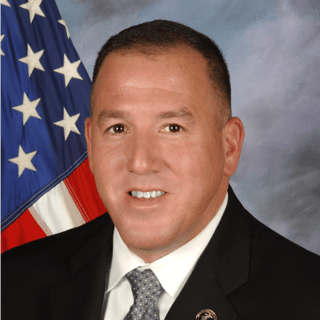
Devin Ross
Public Safety Strategy @ Skydio
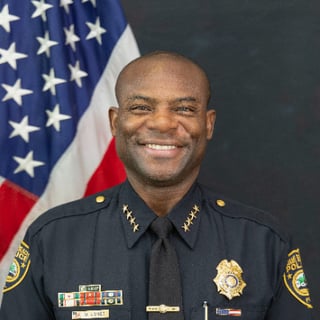
Wayne Jones
Chief @ Miami Beach PD
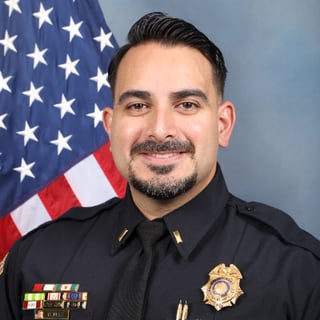
Ray Diaz
Lieutenant @ Miami Beach PD
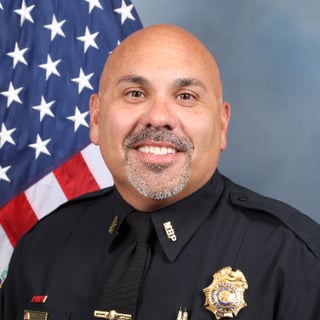
Anthony Loperfido
Sergeant @ Miami Beach PD
SUMMARY
Miami Beach covers seven square miles with 92,000 residents, 28 million annual visitors, and 48 special event weekends a year. With that much ground to cover and that many people passing through, MBPD needed a way to see problems before officers arrived on scene. In this session, Chief Wayne Jones, Lieutenant Raymond Diaz, and Sergeant Anthony Loperfido discuss how MBPD scales DFR through Spring Break and FIFA World Cup events, gets drones on scene ahead of patrol, clears calls without pulling officers from their zones, and shares live video across partner agencies. Hosted by Skydio Public Safety Strategist Devin Ross, the session concludes with live audience Q&A.
+ Read More
CONTENT & TRANSCRIPT
Alright. We're live. I wanna thank everyone for attending our webinar today. Today, we're gonna be looking at Miami Beach's PD's DFR program, lessons they've learned from spring break, FIFA, and over five hundred responses.
So before we get into Miami PD's program itself, I wanna start with the why. Chief Wayne Jones is here, and he's gonna kick us off and share why he made DFR a priority for the department and what he wanted it to change for the city. Chief, always good to see you. Great to see you again.
Chief, before we get into the details, what did you see in Miami Beach and that made DFR worth investing in? And what were you hoping of a change for your offices and the city?
Speaker 2 Devin, great to see you again as always. Look. That's a that's a big question. I've always had a vision for this police department, having it leverage technology to help us work smarter, not not harder, to help us solve crimes more efficiently, to help us put bad guys and bad gals in jail to make our community safer.
And so as a as a as a part of my comprehensive concept, which was to implement and stand up a real time intelligence center, which which we have, I wanted to leverage an exercise technology drones. You may or may not know, we currently have twenty four Skydio drones in our fleet. Two of those, we use as a DFRs. And I can tell you, it has really become the nucleus of how we operate our RTIC.
Almost every crime is happening in real time and our RTIC is operational, we launch a a drone, the DFR.
And it has paid dividends, absolute dividends.
Speaker 1 I really appreciate you taking the time to talk to us today, chief. That really gives us the why.
Now we're gonna get into your team that actually built your DFO program, what it looks like when that vision becomes part of the daily operations of Miami PD. So I'm gonna be intro introducing your team here. I wanna introduce lieutenant Raymond Diaz and sergeant Ampey Lepofido Miami Beach Police Department. Gentlemen, will you please introduce yourselves? Tell us a little about yourselves.
Speaker 3 Good afternoon, everyone. My name is Ray Diaz. Been right now with, Miami Beach Police Department for over sixteen and a half years, and I'm currently the lieutenant that oversees our real time intelligence center.
Speaker 1 Serge?
Speaker 3 I think sergeant Lobarfido is having some some technical difficulties right now. He's trying to work through. I'll I'll I'll be glad to introduce him. So sergeant Tony Loperfido, he's been with our department for well over twenty years, and he's currently our unmanned aerial systems coordinator.
And he is one of the one of the pioneers for bringing drone technology to the city of Miami Beach.
Speaker 1 Awesome.
Speaker 3 And then
Speaker 2 if you don't mind me sort of riding on both Ray and and Tony for a second, I can tell you an old mentor of mine, which was a retired commander from New York, by the way, once told me, find good and smart people, put them in the right jobs, then get the hell out of the way.
And I think I have done that here with both Ray and Tony. Ray's wicked smart guy, rising star in the organization, and was a perfect fit to run the RTIC program, and and therefore, our DFR falls under his umbrella. Tony, on the other hand, has been a pioneer as Ray sort of touched on in drones in law enforcement and most recently in the DFR program and has taught not only our guys internally all the things they need to they need to know about being successful in drones, but has has taken his talents nationwide, teaching police departments and officers throughout the country. And so he's really, really been, I think, a pioneer in the VFR space.
Speaker 1 Awesome. Thank you very much, chief. So to understand a little bit about how Miami runs a DFR program and how you handle things like spring break and FIFA and and other major events, let's talk a little bit the Miami PD Miami Beach PD.
Your geographical small area, you're eight miles long and you're only one mile wide. You have ninety two thousand permanent residents and with over twenty eight million annual visitors. You're a department of four hundred thirty seven swan with a hundred and thirty additional professional staff, and you receive over a hundred thirty thousand calls annually for service. So, basically, your city can operate at a major event tempo even when there's nothing going on. It's it's a lot of people crammed into one small area.
For someone who's never police Miami Beach, what do these numbers actually mean operationally?
Speaker 2 Well, listen. In in short, Devin, I mean, we don't have enough cops. Believe it or not, seven square miles from point to point, point thirty seven police officers, a full time, eighty reserve police officers, and it's never enough. We have over three hundred special events here in our city near.
Oftentimes, we have to leverage relationships with other police departments to come in and support us. Most recently, we had events related to FIFA here on Miami Beach. Although the games were held in Greater Miami, much of the folks coming to FIFA games stayed here in the city. A lot of ancillary events related to FIFA here in the city causing us to have to spool up our staffing.
And quite frankly, as it relates to drones and VFR, use them multiple times each day.
Speaker 1 How could dramatically can the population change and coal environment change from one day or one part of the city to the other in Miami Beach?
Speaker 2 Dramatically.
We like you mentioned, have a population around nine thousand full time residents, but we're a tourist town. We're a destination town. So we have a lot of service workers who come across the bay each day, up to two of a hundred thousand of them sometimes. And we have tourists who come to visit our city. Weekends, our population will swell twenty, fifty thousand to half million depending on what's going on on a given weekend. It's a holiday period.
And so it's it's a dynamic city where we police, not only see our residents, we actually police people visiting, whether day trippers or people here for a extended period of time. Most of our crimes committed by people who don't live in our city. Most of the victims of crimes are people who don't live in our city. Unique unique situation here in Upstate as you make other places.
Speaker 1 So when you get a a thing like when spring break comes to town or you get a major scale event like FIFA come to town, how much did it additional demand does that put on your department and on your offices?
Speaker 2 Huge. We often have to go to, extended configuration in terms of staffing. Alpha bravo is sometimes become a four letter word here in our city because we do it so often with our cops. Exhausted. Absolutely exhaust it. It's continuous.
Speaker 1 Well, that type of operational environment is why getting information earlier matters. And a drone is just part of one part of the system. And I wanna talk because of that. I wanna talk a little bit about your real time intelligence center, which you officially opened looks March of twenty twenty five.
That's where you bring in all your intelligence. You have over twelve hundred cameras coming in. You have ALPR coming in. You have over twenty four drones between DFR and flown out of the trunk.
You have twenty six DFR pilots, twenty two sworn for professional staff.
So this is where the program becomes an operating system.
Walk us through what happens when a call, the ALPR starts coming into the real time intelligence center.
Speaker 3 Well well, Devin, the way way it usually works out within the real time intelligence center, license plate alert comes in, one of the intelligence specialists starts working working the hit, ensuring that the hit is a good hit and that, everything is valid. As that's occurring, everyone that works within the real time intelligence center is a certified part one zero seven pilot and trained in the Skydio DFR solution. And immediately, one person will launch and respond to the, general area of the LPR alert and, other intelligence specialists utilizing our legacy c t CCTV in the in the vicinity to start working working video, try to locate the subject vehicle, and as the DFR gets on station within a few seconds, immediately get eyeballs on our target vehicle and then vector that vector patrol officers to it.
Speaker 1 Who makes a determination if DFR is is the right resource for an incident like that?
Speaker 3 The way we we we train our officers, right, and I train our staff is that we respond to in progress calls and priority calls for service where where having that eye in the sky is going to be able to provide a useful tool for the patrol officers. If it's if it's a a call where having that aerial support is gonna be beneficial, that's when we launch.
Speaker 1 So you're talking about the the responding officers. From their perspective, what does a good RTIC support actually sound like over the radio to them?
Speaker 3 So I can tell you before real time intelligence went live, all all the officers were getting was information provided by dispatch, which was usually provided, via nine one one caller.
When the real time intelligence center went live, you immediately had virtual backup. You had someone working cameras. You have a dedicated drone pilot working your scene. So as you're approaching, you're not only relying on the information provided to you by your radio, you're now getting information from a fellow a fellow officer, a fellow professional staff member who's able to provide you a better picture of what's going on.
Speaker 1 It's a lot of information coming in at one time. They'll ALPR information, maybe information from cameras, definitely information from the drone, probably doing some intelligence lookups. What information is useful and what becomes noise?
Speaker 2 Devin Devin, if you don't mind, I'm gonna share a quick story with you. I'm a have to jump off. My boss is going to my phone.
Speaker 1 Of course, chief.
Speaker 2 Hands of Tony and and Ray. So two weeks ago, my my kids were here at the police department, a group of of I don't know. We have forty, fifty kids going through a junior police academy.
And one of those days were taking taking to the RTIC, and my little girl, Chloe, she's eight.
But even when she came home, she shared an experience she had in the RTIC, and it went something like this.
To so motorcycle came across the causeway into our city, was alerted in the RTIC. The LPR alerted the RTIC They immediately launched one of our Skydio drones, DFORs, that tracked that right of that vehicle. Police officers and cars were dispatched.
A stop was attempted. This guy fled. Unknown to him, he's been tracked the entire time by one of our drones. He temporarily lost the officer trying to to stop him.
He ditched a handgun he was carrying and, ditched a motorcycle, started walking up very casually into the neighborhood. And the drone because of the drone, the operator of the drone directed the police officer not only to him, bad guy, and he got locked up, also to where he ditched a handgun. Right? So this is the power of operating a real time intelligence center with a Skydio drone as the nucleus of solving crimes, running crimes, and putting bad guys and bad gals in jail.
So I'm gonna leave you with that. I'm sorry I gotta run, guys. I really wish I could stay the entire time. You you guys be well.
Speaker 1 Chief, thank you.
Well, I think the chief just put it great. You know, the drone gives you the view of what you're looking at down on the ground, but the RTC gives that view context. It gets the right information to the people making the decisions on the street. So I wanna talk a little bit about spring break now. You introduced EFR during one of the largest events that you deal with.
You you're literally up against one of the hardest operating environments that you deal with throughout the year. And this gave the offices your department to see whether DFR was actually gonna work.
You you launched it during the twenty twenty four season. It runs from February to mid April. And this year alone, you had over two hundred plus firearms recovered during spring break. That's incredible.
I you know, my department doesn't recover two hundred firearms in in a year, my former department.
So that's an incredible staggering statistic. So why was spring break the right moment to launch a DFR program?
Speaker 3 So for us, it was truly necessary. Spring break has been always a challenging event for us. Since I started the department in twenty ten, it's only been getting bigger and bigger and bigger.
And we wanted technology that was able to respond as quickly as our officers. As you can imagine, we're not a very big city. So immediately, a disturbance call goes out and our officers are there within a matter of forty five to fifty seconds. And they still don't have a clear picture of what's going on. To be able to utilize the drone first responder and that technology, we're able to get eyes on scene quickly and be able to paint paint that picture for the officers responding.
Speaker 1 What did you have to get right before you went operational during that period?
Speaker 3 Let me tee that up to Tony, our UAS coordinator.
Speaker 4 Hey. Good afternoon. I'm hoping you can hear me now. We started with some technical difficulties.
Speaker 1 Gotcha. Gotcha, Sarge.
Speaker 4 In order in order to to tell a tale of what we got right, we had to get a lot of things wrong.
When we started this project, because it was so nuanced, it was such new venture for us as an organization. We had started as the first agency in Miami Dade County to have an established drone program, And we struggled along the way in the beginning.
And then when the concept of starting a DFR program was vaporware, it was just an idea, and it seemed like something out of the Jetsons, years ago, seven, eight years ago. And then we were approached by Skydio to, pilot their doc solution.
And we just completely rolled the dice on this. Right? We didn't know if this was gonna be something that, number one, was gonna fit in our ecosystem or daily operations. It was a gamble because nobody else was really doing this.
And we threw it out there right before spring break twenty twenty four.
And immediately immediately, absolutely, the success was within minutes of completing the training.
It showed its its value and its value and worth to our staff and our officers within a very short period of time. When our officers you know, we deal with obviously, we have seven miles of beach. When our officers were at one point, you know, standing at ground level looking at the tens of thousands of people that are just, you know, across the shoreline stretching north to south along our beach, we couldn't see anything that was happening at the water's edge. We had no, vantage point to anything that was going on in these crowds.
And once we had that visual or that overhead perspective to see what was going on, the disturbances, the fights, you know, the other illicit activity that was happening in these very dense crowds. It changed the way we formatted our operations and the way that we deploy, deployed resources during spring break. Spring break, like the chief had mentioned, is an all hands on deck, almost eight weeks of long hours, long long shifts, and really just calls for service while all the, you know, visitors are coming to enjoy our city.
Speaker 1 What were you most concerned might not work about the program?
Speaker 4 You know, buy in, was a huge thing for me. I wanted to make sure that our officers understood that the deployment of a DFR program was not to police the police. It was there to provide them actionable intelligence, things that they could use, gather information as they're arriving to calls for service, provide them that real time intelligence before they make an arrival on the scene so that way they they're better informed, they're better to respond with real information separate from the fourth party caller that spoke to a a a call taker in the nine one one center. So making sure that my officers understood that we are deploying a tool to help them was critical in making sure that we got it right. Separate from that was the buy in from our community and our elected officials.
Speaker 1 When did you feel the office's attitudes about DFR begin to shift?
Speaker 4 Well, now that the chief has jumped off, and hopefully, won't get in trouble with this, the the officers, when and and lieutenant Diaz mentions this all the time, when we're talking about our DFR program. When, you know, cops cops are very apprehensive to change. And, at first, not understanding the program, we used to get the one finger wave, as we'd say, when the drone would fly over the scene and and, you know, they would think that the drone is watching them when we're actually not. We're that backup officer that's in the sky.
We're no longer getting that one finger wave. It's, and I say that, in a in a humorous way. Now it's a officers who know that there's value in the DFR program requesting the drone to respond out prior to them even taking an arrival because they know that we're gonna get information for them. We're gonna provide it to them in real time.
We can they can see the live feed from the video, and it's actually been a tremendous benefit for them. So now it is it is as necessary as their radio, as as their handgun, as their taser, their body worn camera. All of those things are now just necessary tools in their day to day operation as it is ours on the real time intelligence side.
Speaker 1 Was there a specific type of coal emission that made officers start actively requesting DFR or just across the board?
Speaker 4 Well, I think and and lieutenant Diaz, because he he's deeply embedded, obviously, as the commander of our real time intelligence center and the day to day operations, and he sees firsthand, how things play out. But it was very early on in the program where a felony traffic stop was conducted, and the officers had received information that the subjects might have been armed.
And our our DFR drone, which we've named Eagle, Eagle was overhead, and the officers needed to make sure that all of the occupants in this subject vehicle at this during this high risk stop had exited the vehicle.
So we took an initiative, the pilot at the time, mister Eddie Diaz, to bring the drone down right up to the vehicle, right up to the windshield. The doors were open from the car as the the initial subjects had stepped out and checked the interior of that car to make sure that it was clear for the officers to approach and then obviously check the trunk. So immediately, they saw, wait. There is some tremendous value. We can do this live risk mitigation, lower our risk, and and and give them an opportunity to take a step back, let the technology work for them in a smart way and a safe way. And it was only a couple of those where the word spread very quickly that this was gonna be a win for them.
Speaker 1 You know, Serge, we see that happening, through departments all over the country. I just retired from the Nassau County Police in New York. We're on a Long Island, so we have plenty of beachfront too. And when we first started with drones and and DFR, of course, the cops being what they are, all the supervisors are watching us, making sure we're doing our job.
And and I remember the the type of call it was for us in our department is when a drone got to a an alarm call first and said, oh, by the way, the house you're responding to, the back door is kicked in and a window is pried open. And now they're not responding to that house. And it went from apprehension to now offices are requesting, on the radio, hey. Did the drone get there yet?
What does the drone see? So it's I'd love to hear what type of calls make those transitions. So we have a request for a question, and this is a a good time for it since we're on that hybrid of calls and and and real time intelligence center. The question is from the audience, how do you prioritize calls for service between calls for RTCC RTCC and DFR?
For example, if your detective is a professional staff, a working call, let's say a jump and run, vehicle taken off, and someone requests DFR in another area, does the detective break off to take that call or are the DFR pilots solely responsible for DFR calls only?
Speaker 3 So I'll ahead and take point on this.
It all depends on what we're working. What's the priority call? We're actually very fortunate where we do have multiple drone first responders. So we've had incidents where I had one drone first responder handling and in progress active aggravated battery call.
He's on station handling that. Then another request came in reference of vehicle fleeing and we're actually able to deploy our second drone first responder over to that incident. If it's an area where it only one drone's available to respond, it's it's honestly triage. It's one of those who's gonna benefit the most from having that visual perspective.
Right? So if we have a bailout, we have an active we're looking for an active subject that's gonna take priority over an alarm call.
And it's one of those, you know, we we have an understanding, a hierarchy. So if it's a a priority one call for dispatch where we're responding with lights and sirens versus a priority two, which is considered a progress call, which is still routine but a two officer response. The priority one's gonna get the resources first.
Speaker 1 Alright. Thank you very much, lieutenant. So we're talking about convincing offices for buy in.
You don't build adoption with a presentation or or or or Google Slides. You build up a showing offices with the program can actually do. And so we're gonna get into a couple of incidents and a couple of videos I'd like for you to walk us through. The first one is an incident.
It's a stolen vehicle recovery. It starts with an ALPR hit on a stolen motorcycle. And it's not just the fact that the motorcycle was recovered, it's what a lot DFR allowed officers to do without losing awareness of the suspect. So can you talk us through this video, please?
Speaker 3 Yes. So right now, what we're seeing is that the motorcycle there in view is the the the stolen vehicle.
Our pilot responded and immediately got eyeballs, And we're actually able to share this video through not only our ReadyLink, but we also have a API connection with FUSES. So we're directing patrol officers. We have cops at the ready. We're directing them over and you're gonna see what the subject does when the officer attempts to apprehend them.
Scoots over.
Now the subject begins to drive against traffic.
Those vehicles that are stopping there are actually our vice narcotics detectives attempting to stop them. At this time, we directed officers to do not engage in a pursuit. Reference, Eagle has eyes on the target.
So now we're providing this information. It's play by play for the patrol officers, and they're actually paralleling the subject, not having to worry about chasing him.
So now you're gonna see going down an alleyway. We still have eyeballs on him.
And then my pilot said, woah. Wait a minute. Where is he? Voila. And now we see the subject going and immediately our officer started saying, hey. He just ditched his shirt. He took off his hat.
He's casually walking over. The first officer he dodged was directed over.
A brief foot chase occurs and happy ending.
Speaker 4 And a bad and a bad guy goes to jail.
Speaker 1 A bad guy goes to jail. So, once they went over the air and Eagle has eyes, that's the point they felt confident enough to call off that pursuit?
Speaker 3 Yes. They know that we're not going to lose them.
Speaker 1 And at when the drone was following it, how were the ground units redeploying themselves?
Speaker 3 Immediately, they started once we're getting out locations, the officers know they don't have to be directly behind the vehicle. They can be in the general area and immediately started just staying a block away traveling the same general direction. So they were that subject was driving up Meridian Avenue and they were only a block away on Jefferson paralleling without having to utilize lights and siren. So the subject didn't even know he was still being pursued. He thought he got away scot free.
Speaker 1 That's great. Without your fault, what would your options have been?
Speaker 3 Honestly, that call would have came out probably thirty minutes later, abandoned motor scooter. And when the tag got ran, it would have been like, oh, darn. It's the the stolen vehicle that we that fled from us earlier in the shift.
Speaker 1 Well, it's good. You didn't have to choose between, you know, disengaging on a on a a pursuit of a of an individual and and losing the subject because you had the DFR going. So that's good. We're gonna get into another video now about a fleeing felon. It shows us a different layer of value. You're not just locating the person. You you're seeing the weapon.
You're you're changing the threat picture and preserving the evidence location.
What did the officers know about the subject going into the incident?
Speaker 3 Actually, we didn't know much. So the subject fled from our officers on Ocean Drive. We're able to locate the vehicle, and then you see the subject bailout, and you saw he just dumped some suspicious evidence.
We're directing the officers over, and if you notice the subject incredibly calm. Calm is a cucumber. And to the point where the officer's like, is this our guy? I'm like, yeah. We saw him. We're following.
And and you'll see the officers are a little confused.
The the subject, not not not breaking cover whatsoever. He's casually walking, casually walking, and then our officers go, apprehend successfully, safely.
Then we're able to fly back and direct officers over to the suspicious piece of evidence that he ditched, which ended up being a loaded forty five caliber handgun.
Speaker 1 So how does seeing him disregard that firearm change the information going to the offices?
Speaker 3 Oh, imagine if we weren't up in the air. Right? Imagine if just a a a concerned citizen said suspicious person running and we would have never recovered that firearm unless it was found by someone. And the one thing that you didn't see on the video was as the officers located the weapon and they were directed over a small group a small family with two children walked by that weapon. So imagine if we didn't recover it, that would have been a loose weapon out in the community that some poor child could have picked up and thought it was a toy.
Speaker 1 So in this situation, it's unique. You have two locations you have to manage now. You have your location where they toss the firearm, and you also have your location where have to follow the subject. How did the real time intelligence center manage that?
Speaker 3 It actually, in this case, I was actually working the room. So I had my my pilot focus on flying. I'm working the radio, and I'm immediately calling out what I see and then directing officers over. I know cops love to rush over and catch a bad guy, but I immediately directed, I need an officer to respond to that location and secure whatever he dropped ASAP in order to maintain chain of custody.
Speaker 1 And also, now you know what you have when you have the subject in custody. So how how precise were you able to guide those officers back to the location that he tossed the weapon?
Speaker 3 No. They picked it up within a matter of less than a minute.
Speaker 1 And recovering that evidence, what would it have looked like without having that aerial view?
Speaker 3 Well, if we didn't even see him ditch it, it would have been a call for service later on in the day where a concerned citizen said, I think I found a gun in a bush.
Speaker 1 Wow. Which is important because it didn't just help find the subject or the weapon. It changed what the officers knew, you know, responding to the scene. They knew there was a weapon involved and obviously a dangerous subject and, with a safe resolution.
So we have another question, dealing with your RTIC, while we're still in that that field. So do your dispatches have the ability to launch the DFR? If for some reason, the real time crime center is busy or not monitoring the radio, can your dispatches send DFR out to respond to the field? If so, are your dispatchers part one zero seven?
Speaker 4 So no. Presently, our our nine one one center, though in in the same building, and down the hall, they are not DFR pilots.
They have their job function. They specialize. We're too busy of a nine one one center, servicing the city of Miami Beach. And being that we have a real time intelligence center, though we work hand in hand and there's a lot of overlap in in communication, and making sure that, the information that they provide to us is, you know, passed on to the officer and and vetted, you know, if the drone is up.
But, no, the short answer is we are not we are not leveraging our communications personnel for flight operations at this time.
Speaker 1 And on that side, does your department operate with patrol DFR and dock based DFR? If so, is the patrol officers with drones, or do you have a dedicated drone unit who waits to be requested or assisted?
Speaker 4 So our patrol, our patrol, officers, we have twenty two, Skydio x tens that are deployed on every shift, seven days a week. So there's always a drone available in the city. We refer to those as tact our tactical pilots that are flying out of the trunk of their police car. Then we also have our DFR solution as well.
Speaker 1 Awesome. And for somebody who doesn't have a real time crime center, how would you recommend implementing a DFR program like this? Is it possible? Would you need to have a dedicated drone team, or would you have them with patrol officers on duty at all times?
Speaker 4 I think there's a sweet, a sweet place for both. I think that every organization has a specific need.
And I I when we first started this, in talking with other organizations, everybody was trying to check a box. We want this and we want that, but one size doesn't fit all. The first thing I would say, and and my lieutenant would would agree, is if you're interested in starting a program, don't do it from your your the seat of your desk. Get out and go to these agencies that have a DFR program, that have real time intelligence centers.
Come and visit us. We'll give you all kind of Miami Beach swag. But you really need to get out and see how it's done. Start talking to the people that are doing it.
Bosses talking to bosses is great. And for the at the at the boss level, there's value in that. But get down you know, peel back the layers and talk to the people that have built the program, the people that have put the blood, sweat, and tears into it, the wins, the losses, those are the things that you really need to find out so that way you can be successful.
Speaker 1 Thank you very much. So spring break in Miami Beach, proved the model. Fifa tested it. During the World Cup, these are some staggering statistics here. It was over forty days long, flew over two hundred eighty DFR flights, two hundred twenty six calls for service with DFR, that was supported by DFR, and you're actually able to clear twelve percent of the calls without having to send patrol.
What changed when you moved from daily DFR operations into more than forty days of sustained event operations like FIFA?
Speaker 3 Essentially, changed was just having to pace ourselves. Right? Is looking at what's going on in the city, what are the hotspots, and constantly ensuring that, you know, we had resources available. Also, we're not fatiguing our personnel. We do have a limited group of of drone drone first responder pilots, and I wanted to make sure that we're rotating the responsibility because that could be taxing mentally. Right?
Flying in, constantly monitoring your airspace, when we had huge amounts of groups coming to visit the city. So you're constantly having to not only monitor your your aircraft, but we also have a large amount of media flying around. So ensuring, we're having guys monitoring the ADS B, monitoring for other drones in the area. And it definitely we always wanted to rotate and make sure that guys were getting time away from the keyboard.
Speaker 1 So how did you or did you find it difficult to support that event without pulling capacity away from other parts of the city?
Speaker 3 Actually, we're very fortunate. Tony did a phenomenal job building out our drone program in general. So whenever we did have a preplanned event, right, we would dedicate a tactical patrol drone to that event and had that officer exclusively married to that event and that's their primary focus of effort freeing up the drone first responder to provide that support for calls for service.
Speaker 1 So during the Argentina event, you had over ten thousand people in a roughly two block radius. What did that look like from the real time intelligence center?
Speaker 3 A whole lot of people.
And it's incredibly challenging because you're not only trying to monitor the crowd. Right? And knock on wood, crowd incredibly peaceful, very fun people, and they're out there celebrating. But you may see what you're trying to ensure is their safety. And not only their safety, but the safety of the residents living in the buildings, ensuring traffic's flowing. And we at one point, we had over we had three Skydio x tens working that event alone and managing one off one pilot was handling just traffic inquiries. Another was monitoring the crowd movements, and another was handling the exterior the exterior areas and looking for trouble trouble spots.
Speaker 1 So this is where people comes more than a drone story. The real time crime center was coordinating dock based DFR, more than twenty drones, patrol event command, and multiple partner agencies.
You had over twenty plus patrol, patrol deployed drones, and it was multi jurisdictional. Like I said, Miami Dade was there, Coral Gables, emergency management and fire. How did you structure the operation so all these resources worked as one system?
Well,
Speaker 3 I can tell you that Skydio makes it easy.
When it came to utilizing sharing the video using the DFR command and the ready link, being able to share that with our partner agencies, and for them to have access to it just at the click of of a of a link on their cell phones allowed us to be able to share our views and provide that situational awareness regardless of the patch on your shirt.
Speaker 1 So you didn't have during this event, you didn't have a dock in the North District. How did patrol deployed drones fill that gap?
Speaker 4 So, again, like the lieutenant had mentioned, we had these were all plea preplanned events. We made sure that we had pilots, assigned to that detail that were strictly there for the purposes of relaying that real time view, that live view, to the commanders on scene. One person assigned to traffic details, making sure that traffic was flowing. We're a seven square mile island, water on every side, and only three entrances and exits.
So traffic is a real issue in our city. Separate from all the crime related stuff, and and and that takes the majority of the conversation, but traffic plagues our city. Three ways in and three ways out, there there was a huge, understanding that we needed to provide, that information back to our transportation department, sinking of traffic lights, moving, pedestrians in order that way traffic can flow through our streets. That was a huge piece of it.
A lot of those things are an afterthought. We're always thinking about the safety of of the the residents and the participants in these events, but that was a huge piece. Being able to identify medical, related calls within a crowd of ten or fifteen thousand people and being able to route our fire department to those calls was another, huge win for us.
Speaker 1 Now were those, drones, were they piloted locally by the offices, or sometimes was the pilot control transferred back, remotely?
Speaker 4 No. They they're they're piloted locally, using the handheld controller.
Speaker 1 Okay. And you during this event, you generated a new ReadyLink every day. Why was that important?
Speaker 4 Well, being able to have because it wasn't always the same pilot, number one. We wanted to make sure with the functionality that exists in ReadyLink is that the right people had it. The ReadyLinks were were preset, which is a awesome feature that that we take advantage of. Again, these were preplanned events. We can go in, establish the date and time of the ready link, share those to the people who need to be in the know of what's going on, and and have those there and waiting. So when the officers who are assigned to this detail, whether it's one, three, or the entire organization, that ready link is available. It's hands off at that point.
Speaker 1 And how were the other agencies using that view?
Speaker 4 In the exact same way the lieutenant had managed, we or had mentioned. Excuse me. When you have that live view, you don't need the radio as much. When we're talking on the radio, why ask questions when you can see it firsthand? Our radio traffic has died down significantly during these events because we're not asking the question of what's going on over there because you can see it live.
Speaker 1 Awesome. Alright. We're show a quick video. This video here about a wanted subject made its way onto only in only Indeed.
Begins with an APL hit on a wanted subject.
And, basically, the drone got to the front of the vehicle and gave the officers a clear view of something that they would not have been able to see from the from their angle. Can you tell us about this video?
Speaker 3 So this is actually something that our pilots are loving. Right? And this is something that think about it. Prior to UAS technology being as prevalent as it as it is today.
The front of a vehicle is always gonna be that unknown. Right? You can't mount an officer up in front because you're gonna have crossfire issues. So as you see, we track this vehicle coming into our city.
We're able to verify that the warrant hit was good and that, you know, directing over officers. So some of these officers are actually watching our video live waiting for additional backup to come. And right when they have enough officers, they're gonna be conducting the felony traffic stuff. So right now, you're actually northbound on Ocean Drive right now.
So now our pilot is focusing in. So the supervisor who's in the back of the stack is watching this all on his phone and he's he's right now coordinating with our our UAS pilots like, hey, when you're safe to do so, drop in and get me a bird's eye view into that into that vehicle. And you see there's that second subject completely unknown.
And traditionally, this is where this is one of the most dangerous aspects of any felony traffic stop. So you don't know what's going on. You can't position an officer up in front, and voila, we're able to give that that view to the officers on scene.
So did that change the timing and direction of the approach knowing that that there
Speaker 1 was another subject in the vehicle?
Speaker 3 Oh, of course. You're gonna slow things down.
The reality is is that that's that second person is an unknown. Right? You don't know what what's in there, what's being hidden, and to have the the drone first responder be able to clear the fog of war for a lack of a better term, it it just makes the officer's job that much safer.
Speaker 1 And how do you decide how close you needed that drone to be to that vehicle without distracting the offices?
Speaker 3 We're fortunate. Right? Because Skydio has such a good camera on the x ten that we don't need to get up super close, and we utilize the the camera on the device, and it does a phenomenal job.
Speaker 1 So this clip made a much bigger audience. Like I said before, it made its way into only only Indeed.
What happens when people see a clip like that without knowing the context behind it?
Speaker 3 Well, we're very fortunate.
And I always like to read the comments when it's an only Indeed. Right? And something I'm always gonna be proud of is when over sixty percent of the comments are positive.
It it goes to show you that the the public appreciates it. Right? And and I always give credit to sergeant Loperfido because he's a good steward of the program, and he trains our officers well to ensure that we don't lose that public confidence and that public trust in this technology.
Speaker 1 Awesome. So we're gonna go through another vehicle that that highlights, the thermal imaging on the camera. So what are the officers they have a fleeing felon, and what do the officers know about his, last location before they started looking for him?
Speaker 3 So this subject was actually wanted for felony, lewd, and lascivious activities in front of children.
So the subject, all he's wearing is swim trunks. And our officers are fully kitted out on the beach.
Our ATV officers were unable to respond because they're dealing with the situation, and they're over thirty blocks away. So the subject actively fleeing, and he's a good block a block ahead of the patrol officers, and then you're gonna see deep dive right into the bushes. If we were to have the regular image set, you would not be able to see the subject. He's incredibly well hidden. You can't even see him in the bushes.
But because we're running thermal co co witness with the camera, our our pilot was able to maintain eyes on the subject and never lose contact with him. Later, when the patrol officers respond, you'll see there the officer right at the lower end corner.
My pilot's directing him over. He goes, oh, he's in the bushes. And the officer goes, are you absolutely sure? He goes, yeah. He's in the bushes. As you see, the officers are trying to coordinate. They still don't see him.
Now they're walking in, and still they're having a hard time. They don't know where he's at. We're we're like, alright. He's to the left. It's like they're playing a really slow game of Marco Polo.
And there, boom, apprehension.
What made
Speaker 1 that terrain so tough?
It looks like the person's right there. Can you describe what that terrain is like?
Speaker 3 Oh, no. It's super thick foliage. You have a lot of thick mature bushes there, and it it you couldn't see them through the shrubs. Plus, all he's wearing is a t he doesn't have a t shirt on. And when you're lying low in the bushes, you can easily hide in the foliage.
Speaker 1 So what would that search have looked like without the thermal imaging on that camera?
Speaker 3 Well, I can tell you, without the thermal imager, it would have been harder to direct officers because and then the the drone pilot would have been forced to fly higher just to ensure that the subject didn't crawl out. Thermal gave us the confidence to say, hey. We saw him deep dive and he's still in those bushes.
Speaker 1 Well, I'm I'm glad that a successful outcome to that.
So let's talk a little bit about Overwatch. Deal with that with college football. This is where DFR expands beyond dispatching an aircraft to an individual call using the same capability as an infrastructure for a much larger event footprint. It's maintaining awareness over time.
I wanna talk about measuring the impact of your program.
You don't just deploy this. You have to prove your DFR program to everyone. Sustaining the program, showing the value of your drone program to leadership, city councils, and the community. You talk about tracking key metrics, like first on scene response, successful drone assisted resolutions.
What type of metrics are you capturing after each mission?
Speaker 4 Well, it's it's important that we track the the type of calls that we're responding to.
We're very excited about a new feature that's coming out. Response times are super important to, our executive staff. They're also super important as a commitment, as an organization to our community that when they do call the police, whether it's a uniform officer that's showing up first or or in a lot of cases, our DFR piloted drones, is that we're there quickly and on, as quickly in handling that call.
With a new feature that's coming out that we're very, fortunate to be been selected as an early adopter, with the operations platform, we're gonna be able to now track our response times. We're looking that's gonna be a huge win for us, being able to show, both internally and externally that there is tremendous value. Getting to the calls, how long it's taking us, how how much. What's the delta between the drone's arrival and the officer's arrival.
So we're super excited about that. In fact, that's a feature that we just started, piloting today. But the other types of calls for service, or or benchmarks that we're looking for is how many times are we able to clear our calls without having to pull a resource from our operations division? How how often can we keep a patrol officer in service patrolling a neighborhood or a business district or entertainment district and clear the call with, with a drone.
And right now, we're averaging a little bit over, fifty three percent, which in my opinion is a win.
Speaker 1 That's great. What metrics matter most to you internally, and what metrics do you think matter most to the city city council and and and and and leadership in the department?
Speaker 4 Well, I think I think the opportunity for the drone to get out ahead of the officer and and beat them to the call and give them, not the emotional, caller information, the person who called nine one one, but give them that real information from a a law enforcement professional to a law enforcement professional that just that information of what's really going on, taking the emotion out of it and just the the true facts of it. I think that's the biggest win for them.
And, again, the officers who are patrolling a specific area on our busy evenings and our and our weekends, if they can stay in their zone or their their, their area of responsibility and not get pulled away for a call that can be cleared by the drone, I think there's tremendous value in that.
Speaker 1 I like that. I'm gonna circle back. I, I forwarded the slide. I wanna circle back to a event overwatch because that's something that you deal with on a regular basis, which, again, as I said, is is the ability to maintaining awareness over a a lengthier period of time.
Couple questions. How is persistent Event Overwatch different from responding to a single call for service as you see it?
Speaker 4 Greater resources, obviously. In this image here, this is a a image of the college college football playoff championship concert, which was held, in our city a few months back. Twenty five thousand, attendees, for this event. And, obviously, you can tell there's a lot to police here. The vantage point, from the drone is is something that you cannot compete with.
So when we're doing precision overwatch for a five or six hour event, we're talking about having the resources, not just the personnel resources, but enough drones, enough enough batteries, the ability to recharge and get the aircraft back in the air, hours and hours of flight time during this one event. And this is a normal special event weekend for us. We we have forty eight special event weekends a year. So seeing this is just another event in Miami Beach for us.
Speaker 1 So during one of these Overwatch events, what's the RTIC monitoring? Is it is it the crowd, the size of the crowd, is it the egress, is it traffic, or is it all of the above?
Speaker 3 It's it's all the above.
Speaker 4 Absolutely all the above. It's all things. All the things.
Speaker 1 And how do you sustain this type of Overwatch without consuming all the capacity you have to respond to calls elsewhere?
Speaker 4 Well, that's in the secret sauce. We can't tell you that. No. It it's real it's it's it's really a, it's a phenomenal, mix of of of the capabilities of our real time intelligence center, under, you know, lieutenant Diaz of command and his personnel are phenomenal. The number of pilots that we have, the resources, and and the graciousness of our chief, to allow us to to build out our program, as as as great as we have, you know, and being able to have pilots that are motivated, who wanna do this job, who enjoy what they're doing, it really takes an army in order to compete with with stuff like college football and twenty five thousand people within three blocks on the sand where it's very difficult to get resources to.
Speaker 1 That's incredible. So we'll talk a little bit about Miami Beach's operating, operational results. And they're really the result of the operating model that we've been talking about all day today. DFR, combining it with the RTIC, some pretty good statistics. You're flying about three hundred and thirty flights per month. Fifty three percent of the time, the drone was the first, was on the scene first before the responding officers. Again, thirteen percent of calls cleared without patrol response.
Which of these numbers matter most improving your program's value?
Speaker 4 If you ask me, it's it's the clearing without patrol response. There are there are a number of calls for service that we can go out and make sure that either number one, the issue has resolved itself. It's an unfounded, call for service. We we're big very big as an as an organization in community policing.
Keeping our officers out within the community, within their, area of responsibility, talking to our business owners, interacting with our visitors, that there's greater value. There's huge value in that. Having the drone augment our staffing and go out ahead of them, keep the cop in service. Let's go and see if this is something we need to respond to.
And if so, we'll redirect the resources. But if not, if we can clear it, that's a win for both sides.
Speaker 1 What proved the DFR what proved the value of DFR the fastest for for you and your department?
Speaker 3 Well, Tony, I think, in my opinion, DFR proved itself literally day one.
And I think it was very important for us to have that very early win because the officers saw the value in it. And I love the story because our first two DFR pilots literally just completed training. A call goes out, aggravated battery in progress, and our patrol officers are stuck in traffic and they're weaving through. They still they get there within a minute and seven seconds of the call, but drone first responders there and we immediately start canvassing for the subject as they're as the officers are making contact with the victim.
And within a matter of three minutes, we located the subject three blocks north of the incident location attempting to get into an Uber. Alright? And our so we'd vector over officers. They make the apprehension.
And I'll never forget it because I tapped into the body camera to see the live streaming. And then the subjects the first thing she goes, how did you guys find me? And then the officer goes, points in the air. That's why.
And and immediately, my my phone was blowing up. Tony's phone is blowing up with major kudos from the officer saying, this is awesome. This is great. Thank you so much.
And it was at that moment that it hit me that I'm like, I think this is no. Not that I think. I know this is gonna be a game changer.
Speaker 1 No.
Thank you very much.
Before we move on to the audience, I just wanna let everyone know that on September twenty third, we'd like to invite everyone, to extend attend Skydio Ascend twenty twenty six. You could just scan the QR code. This is our annual conference that we're having this year in Las Vegas, and, we'd like to have everyone attend. If they scan the QR code, they'll receive all the details, and we hope to see them there.
So today, we've covered how leadership set the vision, how real time crime centers made DFR operational, what the department learned from spring break in FIFA, and how Miami Beach measures the program's impact. I wanna thank the chief and and new lieutenant and sergeant for for spending the time with us today to discuss how you've made this program such success in Miami Beach. I do have a few questions for you from the audience, before we go in in the final few minutes here. How many k nine teams do you have, and are any of them cross trained in DFR?
Speaker 4 Sixteen, sixteen partner k nine units. They are not cross trained in DFR.
They have a very specific mission as do our pilots. So no.
Now I'll I will tell you this. There's a great partnership between our k nine team and our drone pilots.
Whenever they're conducting a search of a perimeter, they're overhead making sure that that their back is covered.
Speaker 1 Are all your DFR pilots one zero seven certified or some of them department certified?
Speaker 4 By policy, everybody is part one zero seven.
Speaker 1 Okay. And with the successes of your program, do you envision expanding your program to support city agencies, fire, buildings department, things like that, like you've seen other departments take an approach with?
Speaker 4 So so, yes, presently, we already support our fire department. They are x ten customers as well. They respond to their calls for service, and deploy their assets, as as they as they deem necessary. But as calls for service come in from our nine one one center that are fire related, water emergencies, fires, any any myriad of calls, on the fire side, our DFR units will respond from our real time intelligence center.
Speaker 3 And I just wanna piggyback off of that. So during the college football playoff, championship, we were operating a real time intelligence center as a unified command. So I had bosses from the police department, bosses from the fire department, and we actually had a structure fire. And immediately, we launched the drone first responder, and I actually had a battalion chief in the real time intelligence center. And we're actually utilizing the thermal imaging from the Skydio x ten. And he was actually redirecting his his his firefighters to shift water over to a hot spot that they weren't getting. So it and and that was one of the first instances where the fire departments really got to see the value of drone first responder.
Speaker 1 Do you have manned aviation assets, and and has that been affected by all by the remote flying drones or by DFR?
Speaker 3 So our city does not own any aviation units. Right? We have two two of our sister agencies, the Miami Dade Sheriff's Office and the City of Miami Police Department. They have aviation units.
I can tell you since we went live on Drone First Responder, we haven't had to reach out to our partner agencies because we've been able to triage a lot of our perimeter work and a lot of our attempting to locate persons via with missing persons out on the beach utilizing both our tactical launch drones and our drone first responders.
Speaker 1 So this next question comes up from a lot of agencies.
Are your pilots all sworn? Are they all civilian or they're a combo of both?
Speaker 3 We when it comes to drone first responder, majority of our pilots are actually professional staff. Right now, within the drone first within the real time intelligence center, I currently have five professional staff members and only one sworn officer. And majority of the flying is done by professional staff.
In addition to them, I, myself, am part one zero seven, and then sergeant Lobo Perfido being the air boss, oversees everything.
Speaker 1 Lieutenant Diaz, sergeant Lefredo, thank you so much for giving us an inside look at them at how Miami Beach Police Department runs their DFR program. Thank you for your very experienced responses, and thank you very much for your time today. And thank you everyone who came out to, to watch our webinar today. I hope you, everyone remains safe, and, thanks again for your time.
Speaker 4 Devin, thank you, sir. It's always been a pleasure.
Speaker 1 You got it. Got it, Sarge. Thank you.
Speaker 4 Take care.
+ Read More
Watch More
Skydio Ascend 2025 Keynote
Posted Sep 17, 2025 | Views 18.4K
# Ascend
# Drone as First Responder
# Drone as Infrastructure
# Drone
# DFR
# Demo
# R10
# F10
# Multidrone
Substation Inspection from an Office Chair
Posted Mar 23, 2024 | Views 8.7K
# Inspection
# Skydio Dock
# Utilities
# Remote Operations
# Maintenance
# Drone